Amara, ingeniería de marketing

Category: SMB Marketing Blog

  • 14 crucial strategies for digital marketing in agritourisms

    14 crucial strategies for digital marketing in agritourisms

    Agritourism has emerged as a unique form of tourism that invites travelers to immerse themselves in rural experiences, connecting them with nature, local traditions and farm life.

    However, in an increasingly digital world, it is essential that agrotourisms adopt appropriate marketing strategies to reach their target audience.

    Below, we explore 15 crucial strategies for digital marketing in the agritourism sector.

    1. Audience segmentation

    Understanding and targeting the right audience is the cornerstone of any successful marketing strategy.

    By segmenting audiences, agritourism businesses can deliver more personalized messages and experiences.

    For effective segmentation, companies can:

    • Perform surveys to understand visitor preferences.
    • Analyze data from past visitors to identify patterns.
    • Create ideal customer profiles based on interests and demographics.
    • Create ideal customer profiles based on interests and demographics.
    • Use data analytics tools to segment the audience based on their online behaviors.


    By better understanding their audience, agritourism businesses can offer more engaging experiences and targeted promotions that resonate with their ideal customers.


    Consultoría gratuita en marketing

    2. Inbound marketing to attract and convert

    The Inbound Marketing is based on attracting visitors with valuable content and then converting them into customers.

    To implement Inbound Marketing:

    • Create relevant and valuable content that addresses the needs and interests of the target audience.
    • Utilize automation tools to nurture leads throughout the sales funnel.
    • Measure and analyze conversions to adjust strategy as necessary.


    Inbound Marketing ensures that potential customers find value throughout their journey, from discovery to booking.

    3. Authentic content

    Genuine content is the essence of agritourism marketing.

    Through blogs, videos and photos, businesses can share the beauty and authenticity of the agritourism experience.

    To create authentic content:

    • Share stories and anecdotes from workers and guests.
    • Use high quality photos and videos to showcase life on the farm.
    • Write blogs about the history of agritourism, the benefits and how visitors can get involved.
    • Organize live events or webinars to connect with the audience in real-time.


    Genuine content allows potential visitors to immerse themselves in the experience before visiting, setting expectations and increasing interest.

    4. Testimonials and reviews to build trust

    Genuine testimonials and reviews can be powerful influences on a visitor’s decision.

    To leverage testimonials:

    • Request satisfied visitors to leave reviews on popular platforms.
    • Highlight testimonials on the website and promotional material.
    • Respond to all reviews, both positive and negative, to show commitment.


    Testimonials and reviews provide authentic insight into the agritourism experience and can be decisive for future visitors.

    Marketing digital de agroturismos
    Our success story: Finca Treurer

    Treurer wanted to increase its presence in the market and offer its customers an authentic and immersive experience in the world of extra virgin olive oil, fusing tradition with modernity.


    Read more

    5. Inform about the offer of tourist activities at the destination

    .
    How to effectively market a destination offer.

    Agritourism focuses on immersing the visitor in authentic and unique experiences, and one of the most effective methods to achieve this is to provide a wide range of tourism activities. Enriching the tourism experience by promoting activities is crucial to the success of agritourism.

    Key strategies for informing tourism activities include:

    • Updated Website: A website with detailed information about activities, images, rates and prerequisites. It is the first stop for many travelers when researching and planning trips.
    • Integration with Social Networks: Use platforms such as Instagram or Facebook to show in real time the available activities, sharing testimonials, images and videos.
    • Development of Mobile Apps: These can offer an interactive view of the activities, allow bookings and provide tips and maps.
    • Informational Brochures and Maps: Tangible tools that guests can take with them that help them plan their days.
    • Informed Staff: A well-trained team can provide personalized recommendations, answer questions and assist with bookings on the spot.

    By focusing on these strategies, agritourism operators can ensure that visitors are well informed about available opportunities, allowing them to make the most of their visit. In addition, by providing information about activities, the visitor’s connection to the destination is strengthened, encouraging them to become more actively engaged and immersed in the local culture and nature.

    Effectively incorporating activity promotion into an agritourism destination’s digital marketing strategy not only improves the guest experience, but can also lead to increased length of stay, repeat visits and positive recommendations. In essence, by reporting on the variety of tourism activities, you are taking a step closer to creating a memorable and unparalleled agritourism experience.

    6. Local SEO

    Benefits of SEO in digital marketing for agritourism.

    Digital presence is essential, and appearing in local searches is key. By optimizing for local searches, you ensure you are visible to those looking for agritourism experiences in specific areas.

    Search engine optimization is invaluable for agritourism operators to improve website visibility.

    Key SEO strategies include.

    • Keyword research to identify relevant search terms.
    • Optimizing website content using keywords.
    • Add descriptions with alternative text to images.
    • Add descriptions with alternative text to images.
    • Add descriptions with alternative text to images.
    • Improve site speed and compatibility with mobile devices.
    • Improve site speed and compatibility with mobile devices.
    • Improve site speed and compatibility with mobile devices.
    • Link building to increase authority.
    • Inclusion in local directories and aggregators.
    • Tracking rankings and search traffic.

    Better positioning in localized searches related to agritourism offerings can generate a significant volume of targeted traffic to your website.

    Marketing digital para agroturismos (foto: Finca Treurer)
    Marketing digital para agroturismos (foto: Finca Treurer)

    7. Influencer marketing

    Influencers can be a powerful tool to increase the visibility of your agritourism. Their endorsement and content can attract their followers and increase interest in your offer.

    To implement influencer marketing:

    • Identify influencers that align with the brand and values of the agritourism
    • Establish long-term collaborations to generate authentic content.
    • Organize influencer visits to experience and share their journey.
    • Measure the return on investment and engagement of influencer-created content.


    By partnering with appropriate influencers, agritourism businesses can increase their reach and attract a new audience.

    8. Social Media

    Social media is a window into farm life and a powerful way to connect with a broad audience.

    To maximize your social media presence:

    • Regularly post about daily activities, events and special offers.
    • Use live stories and videos to showcase real-time life.
    • Encourage interaction and engagement by responding to comments and questions.
    • Foster interaction and engagement by responding to comments and questions.
    • Foster interaction and engagement by responding to comments and questions.
    • Create segmented advertising campaigns to promote events and offers.
    • Monitoring and reporting.
    • Monitor performance and adjust strategy based on metrics.
    • Monitor performance and adjust strategy based on metrics.
    • Monitor performance and adjust strategy based on metrics.
    • An active social media presence allows agri-tourism businesses to build an online community and keep their audience informed and engaged.


    And so, we could continue to elaborate on each of the remaining points in a similar manner, ensuring that valuable and detailed information is provided for each strategy mentioned.

    Social media offers a unique platform for agritourism businesses to connect directly with their target audience and share their story.

    To optimize social media presence:

    • Choose platforms that align with your target audience
    • Post visually appealing content such as photos of the facilities, events, and the natural beauty of the location.
    • Publish content that is visually appealing.
    • Interacting with followers, responding to their comments and sharing their posts.


    Launch campaigns or contests to increase engagement and visibility. Well-managed social media strategy can create a loyal and passionate community around agritourism.

    Marketing digital para agroturismos. Gastronomía, pieza fundamental del marketing digital de agroturismos (foto: Finca Treurer)
    Marketing digital para agroturismos. Gastronomía, pieza fundamental del marketing digital de agroturismos (foto: Finca Treurer)

    9. Email marketing to retain visitors

    Email marketing remains a powerful tool, allowing agritourism businesses to stay in touch with past and potential visitors.

    To optimize email marketing:

    • Create segmented lists based on interests and past behaviors
    • Design compelling newsletters that highlight upcoming events, offers and news.
    • Customize email blasts based on interests and past behaviors.
    • Customize email blasts based on interests and past behaviors.
    • Personalize emails to make each recipient feel special.
    • Personalize emails to make each recipient feel special.
    • Personalize emails to make each recipient feel special.
    • Use analytics to measure the effectiveness of campaigns and adjust as necessary.


    Through email marketing, agritourism businesses can strengthen relationships, foster loyalty and keep their audience engaged.

    10. Paid advertising to expand reach

    .
    While SEO and organic content are essential, paid advertising can accelerate results and reach a wider audience.

    To optimize paid advertising:

    • Research and select keywords relevant to agritourism.
    • Design attractive ads that highlight the company’s USPs (Unique Selling Propositions).
    • Set a budget and monitor ROI.
    • Experiment with different advertising platforms to find the best fit.


    Paid advertising can help companies reach audience segments that would otherwise be difficult to reach.

    11. Working with OTAs

    .
    Advantages of partnering with online travel agencies (OTAs).

    Online booking platforms such as Airbnb, Booking.com, TripAdvisor, Viator, GetYourGuide and Expedia are excellent sales channels for agritourism. Appearing on OTAs allows you to reach millions of travelers worldwide. Benefits include:

    • Access to a broad base of potential customers
    • Facilitates the booking process and increases occupancy rates.
    • Travelers can easily compare offers and prices.
    • Reviews reinforce brand credibility and reputation.
    • Increased website traffic thanks to OTA referrals.


    Optimizing listings and actively engaging with OTAs through content and promotions can drive bookings significantly.

    12. Local collaborations

    Joining with local businesses and organizations can strengthen the value proposition and attract more visitors to agritourism.

    To maximize collaborations:

    • Establish partnerships with local businesses such as restaurants, stores and tourist attractions.
    • Organize joint events or special packages for visitors.
    • Promote each other’s offerings through different channels.


    Local collaborations not only increase the value for the visitor but also strengthen the local presence of agritourism.

    13. Constant analytics and monitoring

    .
    To ensure that strategies are working, constant monitoring is essential.

    For effective monitoring:

    • Use analytical tools to track website performance
    • Continuously evaluate the effectiveness of advertising campaigns.
    • Collect feedback from visitors to understand what’s working and what needs improvement.


    Through analytics and monitoring, companies can adjust their marketing strategies and ensure they are getting the best possible ROI.

    14. Loyalty and referral programs

    .
    Encouraging repeat visits and referrals is essential for long-term success.

    To optimize these programs:

    • Offer discounts or exclusive benefits to returning visitors
    • Create a referral system where visitors can earn rewards for referring new customers.
    • Customize offers based on the customer’s preferences and past behaviors.


    Encouraging visitors to return and recommend can significantly increase ROI and ensure a steady stream of business.

    Agritourism is more than just a rural experience; it’s an immersion in farm life, local culture and natural beauty. With a solid digital marketing strategy, agritourism businesses can stand out, attract visitors and thrive in an increasingly digitized world.

  • Olive oil marketing

    Olive oil marketing

    Throughout this article, we will unravel how olive oil marketing helps producing farms maximize their production and diversify their activities, and how effective distribution strategies can elevate the perception and reach of olive oil in the global landscape.

    Marketing in the olive sector and changes in the commercialization of olive oil in the last 40 years

    From the 1980s to the present, marketing in the olive sector has undergone significant transformations, driven by technological advances, globalization and a greater emphasis on sustainability and differentiation.

    1980s: the beginning of olive oil differentiation

    In the 1980s, the primary sector began to realize the need to differentiate in an increasingly globalized market.

    Concepts such as the denominations of origin (D.O.), which guaranteed the quality and geographical origin of the products, allowing consumers to identify and appreciate the unique characteristics of olive oil from certain regions;

    1990s: rise of the superbrands and global expansion of olive oil

    The 1990s saw the emergence of “superbrands” within the primary sector.

    Branding techniques became more sophisticated and olive oil marketing campaigns began to highlight not only the quality of the product, but also its history, tradition and connection to the land.

    2000s: digitization and e-commerce of olive oil

    With the popularization of the internet, email marketing campaigns were initiated and specific e-commerce platforms for olive oil, adapting the sector to the digital world.

    2010s and beyond: sustainability and experiential marketing

    The emphasis on sustainability has led many brands to reassess their practices and communicate their efforts in this area to consumers.

    In addition, experiential marketing has emerged strongly, with producers offering tours of their olive groves and tastings.


    Consultoría gratuita en marketing

    Knowing the customer in olive oil marketing;

    Knowing the customer is a fundamental pillar of any marketing strategy, and the olive oil sector is no exception; Understanding the consumer needs, wants and behaviors is crucial to be able to offer a product that meets their expectations and thus achieve optimal positioning in the market.

    Not all olive oil consumers are the same; Some are looking for oils for everyday cooking, while others may be interested in gourmet oils for tastings.

    Determining these profiles helps to fine-tune marketing campaigns and the value proposition; It is vital to ask: Why do consumers choose a specific type of olive oil? Is it because of its taste, its origin, its price or for health reasons? Understanding these motivations can guide the creation of more effective advertising messages;

    It is also essential to identify how often and in what contexts consumers use olive oil; An oil intended for salads may require different marketing than an oil used for frying;

    In addition, establishing the right communication channels is essential to reach the customer effectively. It is necessary to ask: Where do consumers look for information about olive oil? In social networks, blogs, magazines or recommendations from friends?

    Finally, at the global level, it is essential to take into account the tastes and customs of each country or region. In some Mediterranean countries, olive oil is a daily staple, while in other markets it may be seen as a gourmet product;

    Understanding these differences and adapting both the product and the marketing message is essential for success in the international arena;

    Marketing digital de agroturismos
    Our success story: Finca Treurer

    Treurer wanted to elevate its presence in the market and offer its customers an authentic and immersive experience in the world of extra virgin olive oil, fusing tradition with modernity;


    Read more

    The importance of defining and differentiating yourself in a confusing market

    The world of olive oil is vast and can often be perceived as a confusing market by consumers;

    Among the various varieties, different geographical origins and qualities ranging from extra virgin oil to regular olive oil, there is a maremagnum of options that can be overwhelming for those looking for the perfect choice.

    In this context, a brand’s ability to clearly define itself and deliver a unique message is crucial. The definition involves knowing who you are as a brand, what your story is, what values you represent and what makes you special in the world of olive oil;

    It’s not just about the quality of the product, but also the story behind it, the production process, the people involved and the legacy you want to leave behind;

    It is vital to remember that, in a saturated market, consumers don’t just buy products; they buy stories, values and experiences; In the olive oil sector, where the objective differences between one product and another may be minimal in the eyes of the average consumer, the stories and emotions associated with a brand can be the deciding factor in the purchase decision.

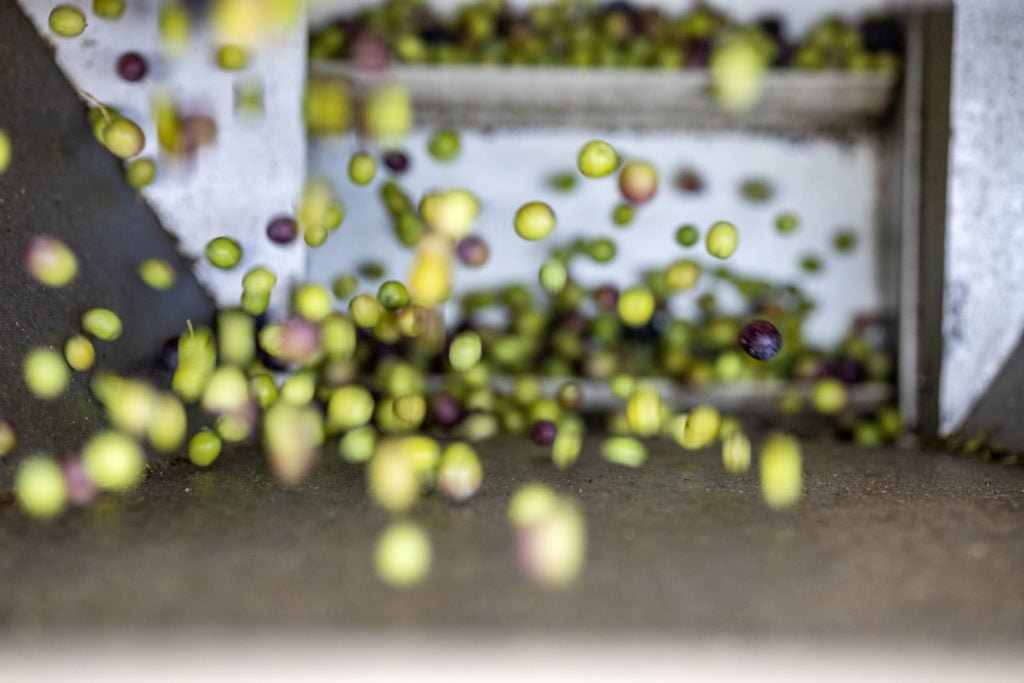
    Elaboración de aceite de oliva - Cosecha (foto: Finca Treurer)
    Elaboración de aceite de oliva – Cosecha (foto: Finca Treurer)

    The product in international gourmet markets

    On the global scene, olive oil has conquered a prominent place on the shelves of the most demanding international gourmet markets; Here, where consumers are willing to pay premium prices for high-end products, the quality of olive oil is non-negotiable. These well-informed consumers with sophisticated palates seek culinary experiences that go beyond simple consumption; they seek authenticity.

    In these areas, transparency and education are crucial. An educated consumer, such as the one who frequents gourmet markets, wants to understand the process behind each bottle; You want to know the origin of the olives, the varieties used, the harvesting and pressing techniques, and even the history of the farm or region where it comes from; This requirement raises the bar for growers and forces an unwavering commitment to excellence;

    Brands that wish to thrive in international gourmet markets must therefore prioritize quality above all else; They should see it not only as a seal of excellence, but as a promise to the consumer that every drop of their olive oil is the result of unwavering passion and dedication;

    International awards

    In the competitive landscape of high quality olive oil, international awards are endorsements that convey the confidence of those who grant them; These awards are not just one of excellence; are powerful marketing tools that can open doors to new markets and consolidate a product’s position in the gourmet sector.

    And they are directly reflected in the brand’s increased sales;

    Elaboración de aceite de oliva - Almazara (foto: Finca Treurer)
    Elaboración de aceite de oliva – Almazara (foto: Finca Treurer)

    Key points in the international promotion of olive oil

    The promotion of olive oil at international level requires a well-defined strategy oriented to the target public of each market; The following are the key points mentioned:

    • Presentación y packaging
      • Culturally appropriate design: It is critical that the packaging design is tailored to the target market. A design that may be attractive in Europe may not be so attractive in Asia;
      • Clear information: The label must include information about the designation of origin, health benefits and expiration date and comply with the legislation of the countries in which we wish to be present.
      • Versatile sizes: Offering different package sizes can meet the needs of different consumer segments.
    • Collaborations with chefs
      • Brand ambassadors: Renowned chefs can act as ambassadors for the oil, demonstrating its use in gourmet dishes and promoting its benefits. Together with the awards, they represent recognition and guarantees of quality;
      • International recipes: Collaborate with local chefs from different countries to develop recipes tailored to the palates and culinary traditions of each region.
      • Videos: Recordings of chefs using the oil in their preparations can be powerful promotional tools.
    • Consumer education
      • Quality differentiation: Not all consumers understand the difference between extra virgin olive oil and other oils. Education on this topic is crucial;
      • Health benefits: EOVE has unique health properties that should be communicated: cholesterol reduction, antioxidant properties, etc.
      • Culinary Uses: Provide ideas and techniques for using oil in various culinary preparations.
    • Digital presence
      • Social media: Platforms such as Instagram, Pinterest and Facebook are ideal for showcasing engaging images and videos of the oil, recipes and chef collaborations.
      • Blogs: Educational articles about the history of olive oil, its benefits and tips for its use will help our customers solve their doubts and can position the brand as a leader in the segment.
      • E-commerce: Since many consumers buy groceries online, having an accessible and easy-to-use online store is essential.
      • Webinars: Convening chefs to help them understand the world of extra virgin olive oil, its benefits and striking techniques of use is a good idea to introduce us to certain segments.
    • Events and tastings;
      • Fairs and exhibitions: These events are ideal for reaching distributors, retailers and end consumers. It is important to have an attractive stand and trained personnel;
      • Sensory experience: Enabling consumers to taste the oil is one of the most effective ways to promote its taste and quality.
      • Workshops: Organizing workshops where consumers can learn about the oil and how to use it in cooking can build brand loyalty.

    Complementing the olive oil business with other initiatives

    The olive oil producing farm can coexist with a variety of complementary businesses that enhance its value and provide enriching experiences for visitors; These complementary activities not only diversify sources of income but also help to position the farm as a destination in itself; The most frequent are:

    Agritourism

    Rural lodges are an excellent way to show and educate guests about the olive oil production process and the importance of sustainable agriculture;

    It is essential to ensure that agritourism areas are well separated from active production areas for security and privacy reasons;

    Guided tours

    Guided tours offer an educational opportunity to show the olive oil production process, from harvesting to pressing and bottling; They can include tastings and help increase direct oil sales;

    Planning is essential to avoid disruptions in daily farm operations; It is necessary to have trained guides and established routes for the visits;

    Gastronomic events

    These events can include menus prepared with local products and wine pairings with local wines; They serve as an excellent platform to highlight the quality and characteristics of the olive oil produced on the farm;

    Adequate facilities, such as a kitchen and dining areas, are necessary; In addition, it is essential to work with chefs and sommeliers who understand and respect the product;

    Sale of local gastronomic products

    The sale of other local products, such as wines, cheeses, sausages and preserves, can complement the olive oil offer and provide a more complete gastronomic experience for visitors;

    Protip! It creates a community around the farm, the product and the family

    Creating a community around the farm, the product and the family can be a powerful strategy for building consumer loyalty and engagement, as well as differentiation in the marketplace;

    Do you want to know how to carry out these initiatives? Contact us;

  • How to increase your ecommerce sales

    How to increase your ecommerce sales

    1. Review the customer profiles of your business.

    It is impossible to improve your ecommercer’s sales if you do not make an effort to understand the consumers to whom you sell your products, what their needs are and what motivates them to buy them.

    (more…)

  • Key characteristics of Generation Z in digital marketing

    Key characteristics of Generation Z in digital marketing

    1. Who are Generation Z consumers?

    All consumers are relevant and evolve according to the needs of the moment (e.g. the Covid-19 pandemic we have suffered and are still overcoming) setting consumer trends.

    (more…)

  • 10 tips to improve your SME’s email marketing strategy

    10 tips to improve your SME’s email marketing strategy

    1. Facilitate subscription in other channels.

    Whether you can do email marketing depends directly on all the previous conversion opportunities that users have on the web (mainly), but also other channels such as social networks. Some of the traditional conversion paths are web forms, landing pages, but you should think that nowadays chatbots and bots and other types of messaging or call centers can also facilitate obtaining relevant contact information. Depending on your line of business, you should consider which ones are best to implement, considering the types of emails you intend to send.

    (more…)

  • Practical digital marketing trends to watch in 2022

    Practical digital marketing trends to watch in 2022

    1. The creation of increasingly tailored content.

    We must be clear that content will always be part of our digital marketing strategy. The creation of content is simply fundamental to carry out and drive any online action. It is the digital fuel. Now, the format and those channels for which this content is created is what is changing according to some trends, but we should not pay attention to all of them.

    (more…)

  • 15 freemium marketing tools for SMEs

    15 freemium marketing tools for SMEs

    1. WordPress

    WordPress es uno de los CMS gratuitos más útiles que vas a encontrar par

    1. WordPress

    WordPress is one of the most useful free CMS you will find for the development of your content strategy. It became especially popular in the creation of blogs, but over time it has become an essential tool in the creation of websites at a commercial level. That is, this content management system is today oriented to the creation of any type of website including the typical online store, in addition to your blog.

    (more…)

  • What is corporate branding and how does it benefit your company?

    What is corporate branding and how does it benefit your company?

    1. What is corporate branding and what is its objective?

    Currently, competition in the market is getting tougher and tougher, not only because of the constant birth of new companies, but also because of the rise of new technologies and commercial activity on the Internet. So, how is it possible today to make your brand known, competing with other businesses, and how is it possible to develop a commercial strategy on the Internet, where consumers can find similar companies? The answer is through corporate branding.

    (more…)

  • Why create a loyalty programme for your SME?

    Why create a loyalty programme for your SME?

    1. Why does your SME need a customer loyalty program?

    While it is true that we have experienced a boom in e-commerce in recent years, it is also true that the pandemic by Covid-19 has caused sudden changes in the online shopping behavior of consumers, further accelerating the transformation to a more digital world where products, services, current news, information (especially health-related) and digital entertainment are consumed.

    (more…)

  • Marketing and promotion in the olive sector

    Marketing and promotion in the olive sector

    1. Why is digital marketing essential for the sector?

    We are currently facing a historical moment that has drastically changed the buying process of many consumers. As you probably already know, online sales have been a large part of the sales of many companies, not to say that there are retailers that only sell through their website.

    (more…)